

Copper Tripeptide-1, known as GHK-Cu or Blue Copper Peptide (CAS 49557-75-7), stands as one of the most validated cosmetic active ingredients in the skincare raw material industry. As a small molecular protein with excellent water solubility and stable biological activity, it has become a core choice for skincare formulation R&D, renowned for its multi-dimensional effects of skin repair, anti-inflammation and anti-aging. This article delves into the molecular characteristics, scientifically proven core efficacy and professional application guidelines of GHK-Cu, providing a comprehensive reference for cosmetic manufacturers and formulators.
Molecular Profile of Copper Tripeptide-1 (GHK-Cu)
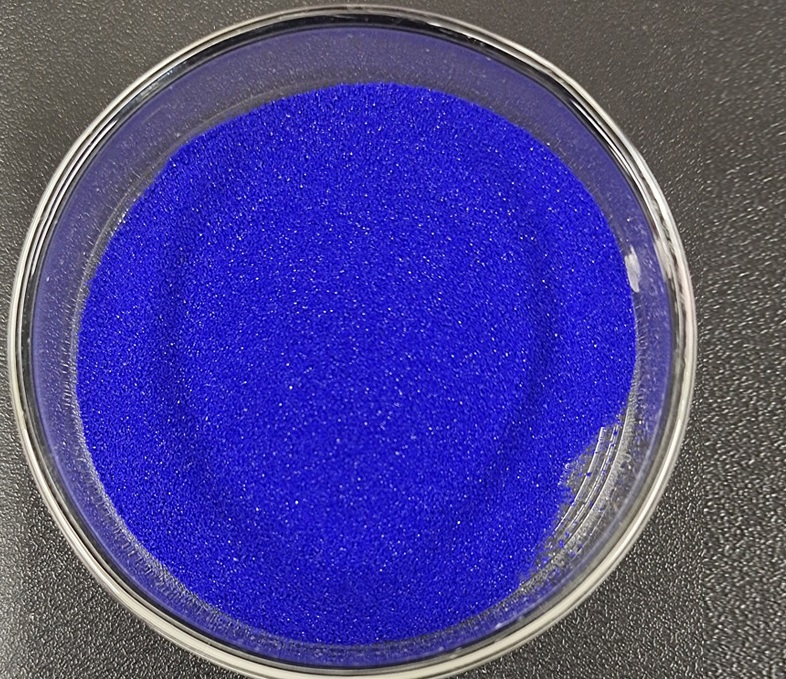
GHK-Cu is a naturally derived peptide complex with a clear and defined molecular structure, making it a reliable and consistent cosmetic raw material. Its key physical and chemical properties are as follows:
- Chemical Name: Copper Tripeptide-1 (GHK-Cu)
- CAS Registration Number: 49557-75-7
- Molecular Formula: C₁₄H₂₄N₆O₄·Cu
- Molecular Weight: 401.93
- Visual Appearance: Blue crystalline powder
- Solubility Trait: Excellent water solubility, easy to incorporate into aqueous cosmetic formulations
- Stability Range: Maximum structural and biological stability at pH 5-7
- Core Nature: Small molecular protein, a premium multi-functional cosmetic active ingredient with high bioavailability
Core Efficacy of GHK-Cu (CAS 49557-75-7) – Scientifically Validated Skin Benefits
The efficacy of Copper Tripeptide-1 is not just theoretical, but has been verified by in vitro cell experiments and industry research. Its multi-target action mechanism makes it a "skin repair engine" with both repair and anti-aging effects, and its core benefits are reflected in three key aspects:
Deep Hydration & Skin Vitality Revitalization
GHK-Cu can effectively stimulate the overall vitality of skin cells, alleviate the decline in skin physiological functions caused by daily stress, skin water shortage and environmental pollution damage. It penetrates the skin’s stratum corneum to replenish cellular energy, imparts sustainable regenerative power to the skin, and improves dull, dry and fatigued skin states from the root.
Anti-Inflammation & Skin Barrier Repair
As a potent anti-inflammatory and repair active ingredient, GHK-Cu rapidly inhibits the expression of skin inflammatory factors, effectively reducing local skin inflammation. It significantly alleviates uncomfortable symptoms such as redness, itching and stinging caused by hormone dependence or external stimulation, and improves the appearance of red blood streaks on sensitive skin.
As an efficient skin repair agent, it accelerates the recovery of skin cell proliferation activity, stimulates the synthesis of skin collagen, quickly smooths minor skin traumas, and enhances the skin’s inherent self-repair ability, helping damaged skin barriers return to a healthy and intact state.
Collagen & Elastin Synthesis Promotion
A key factor in skin aging is the gradual loss of collagen and elastin, leading to sagging and fine lines. GHK-Cu directly acts on human dermal fibroblasts, promoting the synthesis of these two core structural proteins of the skin, thereby tightening the skin, reducing the formation of fine lines and wrinkles, and maintaining a firm and youthful skin state. In addition, it can boost skin vascular growth and enhance the skin’s antioxidant capacity, further improving skin resilience and anti-aging performance.
Key Experimental Conclusion on GHK-Cu Efficacy
In a professional in vitro cell experiment, cultured adult human dermal fibroblasts (HDFa) were incubated with GHK-Cu at concentrations of 0.01nM, 1nM and 100nM. The test results confirmed that Copper Tripeptide-1 significantly increases the production of collagen and elastin in HDFa cells, and this promoting effect has minimal concentration dependence. This fully demonstrates the potent and stable effect of GHK-Cu in promoting the synthesis of skin structural proteins, laying a solid scientific foundation for its application in anti-aging skincare formulations.
Professional Application Guidelines for Copper Tripeptide-1 (GHK-Cu)
To maximize the biological activity and efficacy of GHK-Cu (CAS 49557-75-7) in cosmetic formulations, strict compliance with professional application specifications is essential, including recommended dosage, synergistic ingredient combinations and compatibility taboos. These guidelines are critical for formulators to develop stable and effective GHK-Cu-containing skincare products.
Recommended Formulation Dosage
The optimal addition amount of Copper Tripeptide-1 in various cosmetic formulations is 100-5000ppm. This dosage range balances the efficacy performance and formulation cost, and is suitable for the development of serums, creams, masks, essence lotions and other types of skincare products.
Optimal Synergistic Ingredient Combinations
GHK-Cu can form a synergistic effect with a variety of classic cosmetic active ingredients, amplifying the overall skincare effect of the formulation. The two most valuable combination schemes for formulators are:
- Anti-Aging Synergy Combination: Hyaluronic Acid + Retinol. Hyaluronic Acid enhances the deep moisturization effect of the formulation to complement GHK-Cu’s hydration performance, while Retinol promotes epidermal cell renewal, and the two together with GHK-Cu form a three-dimensional anti-aging system.
- Barrier Repair Synergy Combination: Ceramide + Asiaticoside. Ceramide strengthens the skin’s lipid barrier structure, and Asiaticoside enhances the anti-sensitivity and anti-inflammatory effect of the formulation, which is highly matched with GHK-Cu’s barrier repair function, suitable for sensitive and damaged skin care product development.
Critical Compatibility Taboos & Production Requirements
The ionic nature of GHK-Cu makes it have certain compatibility restrictions, and improper compounding or production operations will lead to formulation precipitation, discoloration and loss of active ingredient activity. Key notes are as follows:
- Ingredient Compatibility Taboos: Avoid compounding with caprylyl hydroxamic acid, EDTA-2Na, carnosine, glycine, hydroxyl/ammonium ion-containing substances, glucose, allantoin, aldehyde group-containing compounds and other ingredients. These substances will react with GHK-Cu and cause adverse phenomena such as formulation precipitation or color change.
- Production Process Requirements: The entire production process of GHK-Cu-containing formulations must be protected from light and carried out at low temperature (<25℃). This is to prevent the degradation of GHK-Cu’s biological activity and ensure the stability and efficacy of the final product.
Why Choose Copper Tripeptide-1 (GHK-Cu) CAS 49557-75-7?
In the crowded cosmetic peptide raw material market, GHK-Cu stands out for its scientifically proven efficacy, stable molecular structure and multi-functional application value. It is not only a powerful skin repair ingredient for sensitive and damaged skin, but also a reliable anti-aging active for anti-wrinkle and firming skincare products. Its excellent water solubility also reduces the difficulty of formulation development, making it adaptable to most aqueous cosmetic systems.
For cosmetic manufacturers and formulators, choosing high-purity GHK-Cu (CAS 49557-75-7) is the key to developing high-quality skincare products. Adhering to professional application guidelines can maximize its efficacy, and its unique repair-anti-aging dual effect can help products form a differentiated competitive advantage in the market.
